World Refugee Day
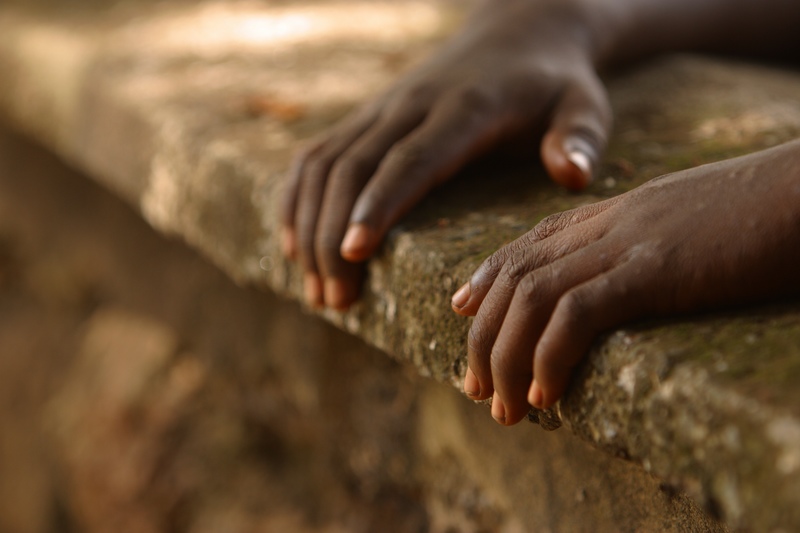
Had I been born in another part of the world, I might be among the refugees of my age struggling to walk their way to freedom.
I am fortunate. I know where I will sleep tonight; that I can walk into the local neighborhood, wave to people I know, and to feel safe. No one has forced me from my home, violated me, or made it impossible to remain in my country without fear of injury or death. No, I am not one of the 68 million refugees or internally displaced people in the world today as a result of conflict or persecution. Many of them are my age, if not when they begin their journey they may be by the time they are able to return to their countries.
From 1998 to 2001 I was privileged to be part of a team of local leaders in Geneva, Switzerland brought together by Mrs. Sadako Ogata, the United Nations High Commissioner for Refugees (UNHCR). It opened my eyes to what it meant to seek refuge.
- Most refugees want only to return to their homes. They have been forced to leave and dream of the moment when they can return. You’ve only to witness news reports of the risks they have taken and the hundreds of miles they have walked to know that they had no choice if they were to survive.
- Many refugees have been born and raised in refugee camps waiting to enter into a safe country. The average length of displacement today is 17 years. Recently I mentored a woman who had spent her whole life in a refugee camp.
- Many of the people we think of as the heroes of science, exploration, humanity and education in our own countries came to our countries as refugees. Geneva, Switzerland where I live, developed into the world renowned city of Global Peace Talks and the United Nations organizations largely thanks to the arrival of refugees over the centuries.
Let’s stand together with refugees and also recognize that had we been born in another part of the world we might be among them, or left behind to die.
Bonnie Fatio
World Refugee Day – A Day Of Thanks
World Refugee Day is a day to recognize the refugees of the world and to draw attention to their plight. Today there are more than 10 million refugees, whole families and communities who have had to flee their countries in order to survive. Many are older persons and children.
This is also a day to give thanks and express our appreciation
- to the multiple agencies working to provide food and shelter, often with great risk to their own well being;
- to those of us who are not refugees, to recognize the privilege that we have to be able to live at home and to have access to food, water, lodging, healthcare and education in safe environments; and
- to the multitude of refugees who have helped to shape our world by sharing their expertise, experience and talents in their new countries. They represent a great gift to their new homelands.
So while we reach out to help refugees, let’s also remember the contributions they have made and will continue to make as they settle in new lands.
Bonnie Fatio

As a child growing up in Parchment, Michigan, I remember our community adopting a refugee family from Latvia. We were fascinated to think that they had to learn our language and way of living and we were eager to understand their stories and customs. After we left Parchment, my path never seemed to join that of refugees again nor did the word come into conversations until I came to Geneva, Switzerland.
When Mrs. Sadako Ogata became the High Commissioner (1991-2000) of the office of the United Nations High Commissioner for Refugees (UNHCR), I was privileged to serve on a council of local leaders who she invited to become involved with the UNHCR in order to promote a realistic understanding of both the plight and contributions of refugees within the Swiss and international communities. Mrs. Ogata personally moved us to understand the multiple issues at play. When you are forced out of your home with only the clothes on your back and join the hundreds of thousands seeking refuge in the UNHCR camps, you are grateful that such an organization exists with the extensive logistics behind it. And yet, your deepest hope is to return to your own home.
The most moving picture that I can share to represent the plight of the refugee is an event planned for the 50th anniversary of the UNHCR in Geneva. Thousands of floating candles were placed in the Rhone River that flows out of Lake Geneva. It wasn’t possible to represent the 40 million refugees in the world, but the image was moving. As the candles floated, some would capsize and disappear, others would break off in little clusters and then split up once again, while yet others would find themselves alone with their light flickering. It is a picture that stays with me as I think of what trials refugees experience and the courage they prove.
As we look at the meaning of Age Esteem, I believe that refugees offer us an important lesson. No matter where we go, what trials we meet, the obstacles in our path or the need to leave the past behind and move on we will have to count on our own inner resources to meet each new day with hope and the understanding that what is most important is within us. Refugees such as Einstein and Madelaine Albright who have had only their know-how and will power as baggage teach us a powerful lesson. We too can contribute our skills and knowledge to make this a better world with however little we may have.
Geneva is home to the United Nations High Commissioner for Refugees (UNHCR) established in 1951 to give legal, social, economic, and political aid to refugees. The UNHCR is the successor of the International Refugee Organization whose first efforts focused on Europeans displaced by World War II. It has since assisted refugees in multiple countries globally. It is financed by voluntary government contributions. The office won the Nobel Prize for Peace in 1954 and 1981.

On June 20th, people in countries around the world celebrate world refugee day. It is an opportunity to build awareness and to encourage interest in helping refugees on all continents. We recognize the strength, courage and contributions of refugees.
“But for the grace of God, there go I.” Often the only difference between a refugee and ourself is where we were born. It has nothing to do with education, age and capability. We were simply blessed to be born in a part of the world where we are safe.
In Geneva, Switzerland where the United Nations High Commissioner for Refugees (UNHCR) is located the famous “Jet d’Eau” water fountain will be blue on June 20. This is in recognition of the contributions made to our world by refugees such as Albert Einstein, Madeleine Albright, Marc Chagall, Dalai Lama, and Peter Carl Fabergé and for the hope of today’s refugees as the UNHCR continues its important work.
- Become aware of what refugee status means.
- Research the UNHCR to better understand the work that it is doing.
- Contribute funds to your local organization working with refugees or through the site of the UNHCR
- Volunteer time working with refugees in your community to teach the local language and to help them adapt and integrate.
- Count your blessings.