Magnesium For Healthy Aging
Magnesium is such a necessary mineral for the body. Lack of it is associated with muscular cramps, but it is also important for the body for strong bones, teeth, muscles and tissues. The problem is that it is difficult to keep in the body-especially because of perspiration, but also because of lack of proper food, dieting, medication, stress, nervous tension, etc.
When there is not enough magnesium in the body, fatigue, cramps, and nervousness manifest themselves. Best sources are in certain foods with the highest being in cacao, almonds, cashews and soybeans.
Some mineral waters are high in magnesium. For example the mineral water Eptinger in Switzerland is very high in magnesium. I believe it is the one with the highest quantity. Do remember though, it is important not to drink the same mineral water all of the time. You want to alternate them.
Grandma Nature

On today's AgeEsteem Telesummit, Dr. Jen Palmer ND shared five factors to keep our minds sharp and our bodies healthy as we age. Since she gave such precise content, I am listing the five factors here.
Note that since there are so many options when shopping for supplements, she recommended specific high quality, cost effective products that she uses herself.
She says, "…There are certainly other great products out there. I recommend purchasing these from NEEDS.com. NEEDS also offers free wellness consultations and can help you with a variety of issues."
The 5 factors are:
1. A healthy lifestyle that includes a positive attitude, healthy foods and regular exercise.
2. Super Omega 3 gems Fish Oil by Carlson, NEEDS code: CAL-6231-250
3. Doctors Best Curcumin featuring Meriva NEEDS code: DBS-6041-060
4. Magnesium for the brain- Neuromag by Life Extension, NEEDS code: LEF-5089 and Magnesium citrate by NutriNeeds, NEEDS code: NNN-5014-100
5. VITAMIN B12 methylcobalamin chewables by Life Extension, NEEDS code: LEF-5033
Dr. Jen works with NEEDS but does not make money with these recommendations. She will offer you a free personal wellness consultation, call 800.634.1380 (USA) and leave a message that you heard Dr. Jen Palmer speak on the Age Esteem telesummit, and she will call you back. Our listeners from other countries can reach her by email at purenutrition@msn.com.
Bonnie Fatio

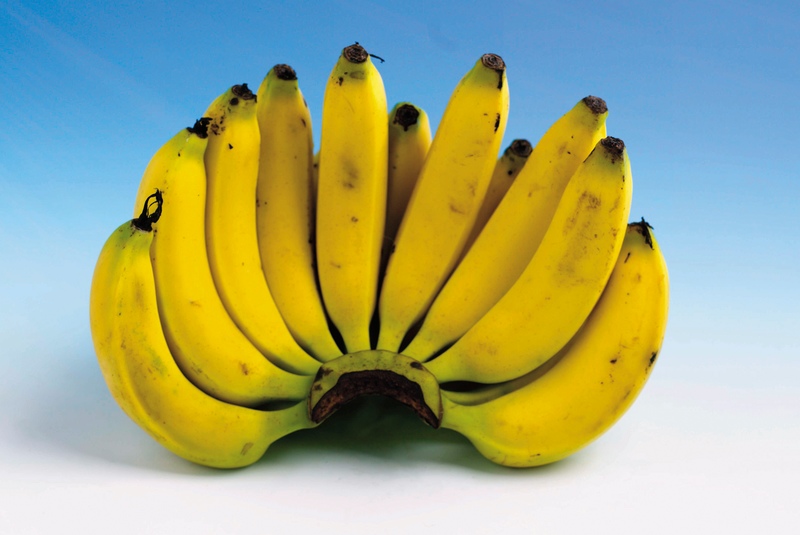
When you see a banana do you think of a monkey? It so happens that bananas are the most purchased fruit in supermarkets. So, there is at least one similarity between man and monkeys!
Bananas are good for you. They are full of potassium and magnesium. Both are important as we age. Potassium is very important in controlling blood pressure and stimulates enzymes and regulates metabolism. Magnesium keeps the nerves solid and is efficient in preventing leg cramps. A combination of sugar and amino acids found in bananas enables the brain to synthesize serotonin, “the happiness hormone”.
Bananas are very low in calories and very inexpensive. They can, of course, be eaten on their own but are delicious in baked goods and as an accompaniment to cereals as well.
Nurture your body by eating bananas. – One could even say that a banana a day keeps the doctor away.
Grandma Nature
It would be interesting to know the origin of the expression, “He’s driving me nuts”. Nuts do not make you crazy! On the contrary, they are very, very good for you.
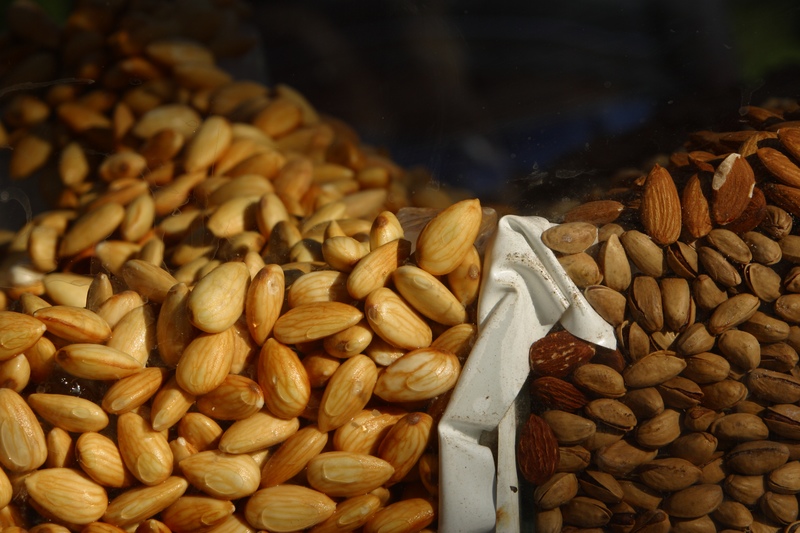
There are many kinds of nuts-cashew, almond, walnut, Brazil nut, hazelnut, etc. and each has its own beneficial property for the body. This is of special interest as we age.
Of all nuts, cashews have the highest rate of magnesium, which is very efficient in controlling cramps, especially leg cramps.
Pistachio nuts are used in baking and in mediterranean dishes. They are very rich in vitamin B which is so valuable for the nervous system.
Walnuts are known to be very healthy for the heart, with their antioxidant properties.
Almonds play an important role in containing and even decreasing bad cholesterol levels while enhancing the good cholesterol.
Almonds and Brazil nuts are the only nuts that are alkaline in the acidic-alkaline chart. Most of the food we eat is acidic, and it is this acidity in the body which promotes cancer and rheumatism among other ailments.
Judging from what is known about them, it is better to pick up a bag of nuts at the grocery store than potato chips or other starchy foods. The choice of nuts is there, and they are all healthy.
Grandma Nature

Sunflower seeds offer a healthy snack that will curb your hunger while improving your health by offering you significant amounts of vitamin E, magnesium and selenium.
Sunflowers are thought to be among the first flowers to be cultivated in North America, probably originating in Mexico and Peru. Native Americans used the seeds for both food and oil for over 5,000 years.
Sunflower seeds offer many health benefits. They are rich in vitamin E bringing anti-inflammatory and cardiovascular protection. The sunflower seeds’ phytosterols lower cholesterol. The magnesium they offer calms your nerves. Research also shows that magnesium helps to lower blood pressure and to prevent migraines as well as keep bones healthy and increase energy. Selenium in sunflower seeds helps prevent cancer and helps repair damaged cells.
How do you build sunflower seeds into your diet? Keep sunflowers handy as a snack; sprinkle them on your salads, cereal and sandwiches. They can be added to most any recipe and even crushed into a powder to coat your meats and vegetables in place of flour.
When we are healthy and have energy we feel good about ourselves. Snack on sunflower seeds to enhance your age esteem.
Grandma Nature

Rice is the second most consumed cereal, after wheat, worldwide and has been thus for hundreds and hundreds of years. It is found in the diet of many civilizations.
There are hundreds of different varieties. There is perfumed rice, long-grain rice, brown rice and red rice from the Camargue region of France. Wild rice, however, is not a rice but a seed from a grass which grows in marshes in the Great Lakes district of the U.S.
The Spanish use rice in their national dish, paella; the Chinese eat bowls of rice with their delicious meat and fowl dishes; the Italians have their risotto; the Indians their curries; and rice is eaten as well with the Mexican meal chili con Carne.
What would we do without rice and its ease of cooking – steamed, boiled, baked? Rice is also used in desserts as in a creamy rice pudding.
Its real asset, however, is the nutrition that it brings to the body. It is not fattening and has no cholesterol. It contains the vitamin B complex group, which is good for the nervous system, iron for the blood, magnesium and calcium so necessary for strong bones and teeth. It has anti-cancer activity. Of all grains and cereals it is the least likely to cause problems such as spastic colon.
Next time you are at the grocery store, pick up various kinds of rice and enjoy.
Grandma Nature